Fundamental Roof Repair Pointers to Boost the Life of Your Roof
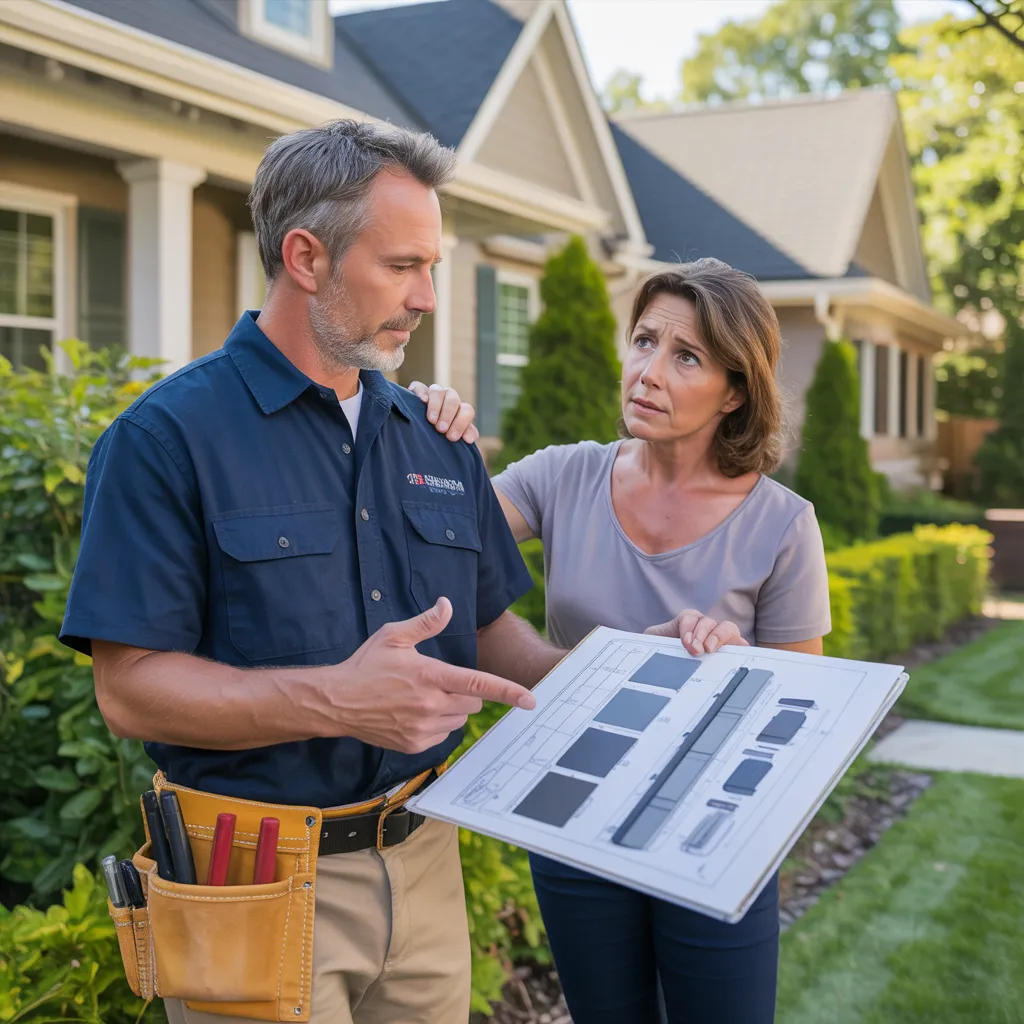
Maintaining a roof is crucial for its longevity. Routine check-ups can detect potential issues before they worsen. Typical issues, such as broken tiles or blocked drainage systems, require immediate care. The selection of materials for repairs greatly affects resilience. Homeowners often question whether to tackle repairs themselves or hire a professional. Comprehending seasonal maintenance can also serve as an important role. With these factors in mind, what signs should suggest it's time for a roof replacement?
Review Your Roof Periodically
Regular assessments, preferably two times annually, are essential for preserving the integrity of a roof. These evaluations help detect possible problems before they develop into costly repairs. Homeowners are encouraged to inspect both the inside and outside of their roofs, paying particular attention to shingles, flashing, and gutters. Furthermore, looking for indicators of deterioration, such as cracks, missing shingles, or rusted flashing, can prevent water damage and prolong the roof's lifespan.
Environmental shifts can affect roofing materials, making prompt inspections essential. For instance, after intense storms, it's particularly important to assess any harm. Homeowners should use binoculars for a secure vantage of high areas and consider hiring a professional for a comprehensive inspection. Documenting findings during each inspection can also aid in tracking the roof's condition over time, ensuring informed decisions about maintenance and repairs. Regular inspections ultimately promote a safer, more durable roofing system.
Common Roofing Troubles You Have to Correct Without Delay
Many residents disregard critical roofing issues that demand immediate attention to stop additional deterioration. Typical problems include broken or worn shingles, which can result in leaks and structural deterioration. Another significant concern is the presence of moss or algae, which can trap moisture and weaken roofing materials over time. Additionally, chimney and vent flashing commonly breaks down, permitting water infiltration and create extensive damage.
Pooling water on flat roofs represents another issue requiring immediate attention, as it boosts the risk of leaks and structural complications. Homeowners should stay attentive when inspecting gutters; clogged gutters can result in overflow and water damage affecting both the roof and the home’s foundation. Addressing these challenges quickly not only helps preserve the roof’s integrity but also avoids costly repairs later on. Consistent maintenance and timely repairs are key to maintaining long-lasting roof health.
Determining Materials for Roof Repairs
When selecting roofing materials for maintenance needs, residents must weigh factors including strength, climate suitability, and visual appeal. The selection of roof product substantially impacts the performance and lifespan of your roof. For instance, composition shingles remain a preferred option because of their cost savings and straightforward installation, rendering them suitable across different climates. On the other hand, metallic roof coverings offers excellent longevity and storm protection, which proves excellent for locales exposed to significant snowfall or severe storms.
Furthermore, property owners should evaluate the material's upkeep needs. Slate and tile may provide a impressive appearance but often require more upkeep and can be weightier, necessitating additional structural support. Ultimately, choosing the right substances entails weighing practicality and aesthetic value while making sure that they meet local construction regulations. By making knowledgeable decisions, homeowners can improve the durability of their roofs and prolong their longevity successfully.
Would You Complete the Work or Bring In a Roofer?
When considering roofing maintenance, homeowners must compare the advantages and disadvantages of tackling the job themselves versus hiring a professional. Key factors consist of the skills and experience needed, associated costs, and the duration and protective concerns of the undertaking. This decision can significantly affect both the result of the restoration and the homeowner's peace of mind.
Abilities and Experience Essential
Determining whether to tackle roof repairs as see information on this a DIY project or hire a skilled roofing contractor depends on the individual's abilities and expertise. Those with a foundation in construction, carpentry, or roofing may feel confident in their capacity to perform basic repairs. Familiarity with equipment and safety procedures is essential, as roof work presents inherent dangers. However, inexperienced homeowners may find themselves overwhelmed by the intricacies of roof structures, including materials, structural integrity, and weather protection methods.
Hiring a skilled roofing contractor guarantees that repairs adhere to industry standards and extend the roof's lifespan. A qualified roofer brings specialized knowledge, training, and experience, minimizing the likelihood of costly mistakes. Ultimately, the decision should demonstrate one's capability and comfort level with such a major project.
Cost Analysis
Grasping the financial implications is vital for property owners considering the possibility of DIY roof restoration against hiring a specialist. DIY projects can reduce expenses on labor costs, but property owners must account for materials, tools, and potential mistakes that may create additional costs. In contrast, engaging a professional may appear more costly upfront, but it often offers assurances and warranties on work executed. Professionals generally have availability of quality supplies at reduced prices, which can offset expenses. Moreover, they deliver knowledge that may avert costly errors. In the end, assessing the complexity of the repair, the property owner's skill level, and financial limitations will guide the decision between DIY and professional assistance.
Time and Protection Criteria
Time and safety are essential factors that homeowners must take into account when contemplating roof repairs. DIY projects can be attractive due to cost savings, but they often require considerable time commitment and can lead to dangerous situations, especially for those lacking experience. Climbing ladders, handling tools, and maneuvering steep roofs pose risks, including severe injuries. Conversely, hiring a expert roofer typically ensures that repairs are completed efficiently and safely, as these experts are trained to handle such tasks. Additionally, professionals often provide warranties on their work, offering peace of mind. Ultimately, homeowners should consider their skills, availability, and the complexity of the repairs when deciding whether to undertake the project themselves or hire the help of a certified professional.
Seasonal Care Suggestions for Your Roof
Seasonal maintenance is necessary for extending the longevity of a roof. Regular inspections can reveal problems that may go unobserved, while gutter maintenance helps prevent water pooling and potential water damage. These fundamental tasks can substantially enhance the overall durability of a roofing system.
Look For Issues
Consistent inspections for damage are important to maintaining a roof's integrity. Homeowners should carry out these examinations at least twice a year, optimally in spring and fall. During these assessments, they should closely look at shingles for fractures, curling, or absent tiles. Additionally, it's necessary to check the protective sealing around chimneys and vents, as this area is prone to leaks. Signs of moisture harm, such as marks on interior surfaces, should not be overlooked. Viewing the roof from the ground can also reveal sagging or uneven areas that may point to structural issues. By identifying potential problems early, homeowners can take preventive steps to repair damage and extend the lifespan of their roofs, ultimately saving on costly repairs in the future.
Keep your rain channels on a regular basis
Cleaning gutters at least twice a year is crucial for maintaining the roof. Clogged gutters can cause water to spill over, leading to possible harm to the roof, fascia, and foundation. When debris accumulates, it obstructs proper drainage, increasing the risk of leaks and roof rot. Regular cleaning helps ensure that rainwater flows freely, protecting the structural integrity of the home. In addition to avoiding moisture damage, clean gutters also deter pests that may nest in stagnant water or debris. Homeowners should think about checking gutters after heavy storms or seasonal changes, as these conditions can speed up accumulation. Utilizing a professional service or following safety protocols while cleaning can further enhance the longevity of the roof and overall home health.
Warning Signs That Your Roof Requires Repair
How can homeowners determine when it's time to replace their roof? Several key indicators signal the need for a new roof. One significant indicator is noticeable deterioration, such as curling or missing shingles. If particles from asphalt shingles build up in gutters, it indicates significant deterioration. Homeowners should also check for water stains on ceilings or walls, which can suggest leaks. Additionally, if sunlight is visible through the roof boards in the attic, this may suggest structural issues.
An crucial factor to evaluate is the roof's age. Most roofs have a life expectancy of 20 to 30 years, so if the roof is nearing the end of its anticipated life, replacement should be evaluated. In conclusion, substantial storm deterioration can require a replacement. By recognizing these indicators, homeowners can make well-researched decisions about ensuring the longevity and safety of their homes.
Frequently Asked Questions
How frequently Should I inspect My Roof?
Roof inspections should take place at least two times yearly, preferably in spring and fall. Furthermore, after severe weather events, homeowners should examine for injury to ensure longevity and avert expensive restoration from developing issues.
What Common Signals Indicate Roof Damage?
Common indicators of roof damage include missing or cracked shingles, water stains on ceilings, areas that sag, gutter granules, and increased energy bills. These indicators signal possible problems necessitating prompt inspection and repairs to prevent additional damage.
In What Ways Does Weather Effect My Roofing System?
Weather substantially influences roofs through elements like rain, snow, wind, and extreme temperatures. Continuous contact can contribute to wear, leaks, and structural damage, necessitating regular inspections and maintenance to guarantee long-term integrity and performance.
What Represents the Average Duration of a Roof?
A roof's average life expectancy generally ranges from 20 to 50 years, determined by the materials selected, installation quality, and proper maintenance. Regular inspections and timely repairs can substantially influence its longevity and overall performance.
What warranties are offered for roof repairs?
Yes, many roofing firms offer guarantees for roof repairs, which can vary in length and protection. Property owners should thoroughly examine the conditions to understand what is included and guarantee proper maintenance for durability.
Comments on “Expert Tips to Roof Repair”